Posted by Tom Connor, Owner of Metropolitan Roof Repairs, on .
Roof insulation helps keep Melbourne homes warmer in winter, cooler in summer and more energy efficient. While Bradford and Knauf both provide effective insulation, we prefer Bradford because it’s easier to work with, straightforward to install and backed by a 70-year product performance warranty.
Both Bradford Gold and Knauf Earthwool offer glasswool roof insulation products designed to reduce heat flow through the ceiling. Choosing the right R-value and ensuring the batts are fitted correctly are essential, regardless of which brand you choose. From our experience working with both products, Bradford is generally easier for our roofing team to handle and fit.
Tom’s guide explains the benefits of roof insulation, compares Bradford with Knauf and outlines why we recommend Bradford for suitable roofing projects across Melbourne.
Tom Connor is the owner of Metropolitan Roof Repairs and has more than 30 years in the roofing industry. Tom and his team work extensively with metal, Colorbond and tiled roofs across Melbourne, including projects involving new and replacement insulation.
Why Our Roofing Team Prefers Bradford Insulation
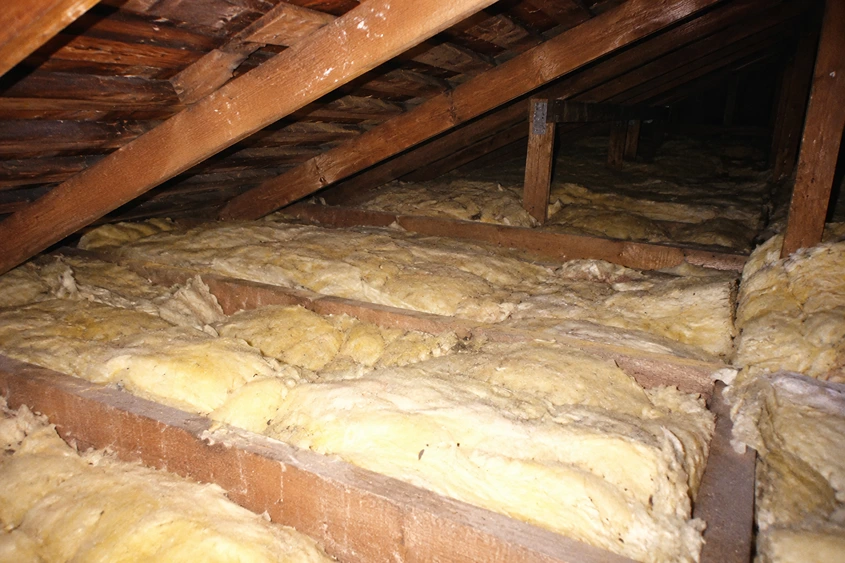
We’ve worked with both Bradford and Knauf insulation on Melbourne roofing projects. While either product can perform well, Bradford has become our preferred option because of how it handles during installation.
The difference is particularly noticeable in older roof cavities. Restricted access, irregular timber framing, electrical wiring and other obstacles can make fitting ceiling batts more difficult than homeowners might expect.
Consistent Fit
Bradford offers batts in sizes suited to common Australian ceiling joist spacings, helping our team achieve continuous coverage without unnecessary gaps.
Easier Handling
We’ve found Bradford straightforward to cut and position around timber framing and obstacles, particularly when access is limited.
Predictable Installation
When insulation is easier to handle, our roofers can work efficiently while maintaining the coverage needed for effective thermal performance.
Our experience: Bradford’s main advantage isn’t that it has a better R-value than Knauf. It’s that we find the material easier to work with and fit consistently.
Why Does Installation Quality Matter?
Even high-quality insulation can underperform when fitted incorrectly. Gaps between ceiling batts create pathways for unwanted heat movement, while compressing the material can reduce its effective thermal resistance.
Knauf Earthwool is manufactured for easy handling too, with soft fibres and compression packaging among its advertised features. Both brands are capable of excellent results.
Our preference for Bradford reflects practical experience rather than a claim that it always insulates better.
This becomes particularly relevant during roof replacement work, when we may have an opportunity to inspect existing insulation and improve coverage as part of the project.
When Should You Replace Your Existing Roof Insulation?
Old insulation isn’t necessarily bad insulation. Quality glasswool batts can remain effective for decades if they’re dry, undamaged and correctly positioned.
Problems usually arise when coverage deteriorates, material becomes damaged or previous work has disturbed the batts.
Five Signs Your Insulation Needs Attention
Uneven Indoor Temperatures
Certain rooms become excessively hot in summer or remain cold despite heating in winter.
Visible Gaps
Missing, displaced or poorly fitted batts leave sections of the ceiling exposed.
Water Damage
Damp patches, staining or mould indicate that moisture has reached the material.
Flattened Insulation
Compression reduces batt thickness and can compromise thermal performance.
Previous Building Work
Electricians, plumbers or other trades may have moved insulation without reinstating it correctly.
Finding one of these problems doesn’t automatically mean the entire ceiling needs replacing. In some cases, individual sections can be repositioned or renewed.
Is Roof Replacement a Good Time to Upgrade Insulation?
Yes. When roofing materials are already being removed, it makes sense to check what’s happening underneath.
Depending on the roof structure, the work may provide better access to insulation and associated materials. Four useful checks can be completed at this stage:
- Assess the Existing Batts Identify damaged, compressed or deteriorated sections that may need replacement.
- Check Insulation Coverage Look for gaps, displaced material and areas that previous building work may have disturbed.
- Review the R-Value Determine whether a higher level of thermal resistance would be appropriate for the home.
- Inspect Surrounding Materials Check existing roof sarking and other components accessible during the work.
Addressing these issues while the roof is already being worked on can be more cost-effective than arranging a separate insulation project later.
Does Your Roofing Material Affect the Insulation You Need?
Yes. Although ceiling insulation performs the same basic function beneath different roof coverings, the overall roofing system influences how heat, moisture and ventilation should be managed.
Metal and Colorbond Roofs
Metal roofing can become very hot under direct summer sunlight. Managing the resulting heat involves more than simply choosing thick ceiling batts.
Depending on the roof’s design, reflective insulation blankets or roof sarking may be used beneath the metal sheets. These products can help manage radiant heat, condensation and noise when incorporated into an appropriate roofing system.
Ceiling-level bulk insulation works differently. It resists heat movement between the roof cavity and the rooms below.
The combination needs to suit the building’s construction, ventilation and applicable requirements. Our metal roofing services include repairs, restoration and replacement of these roofing systems.
Tiled Roofs
With tiled roofing, appropriately rated ceiling batts remain an important part of maintaining comfortable indoor temperatures.
Glasswool installed between the ceiling joists provides thermal resistance. Sarking beneath the tiles may offer additional protection, depending on the material and how the system is designed.
Reflective products work differently from bulk insulation. Their ability to reduce radiant heat depends on correct positioning and the required adjacent air space.
We’ve explained this further in our guide to roof sarking and its benefits.
The key consideration: Whether your home has a metal or tiled roof, insulation should be selected as part of the overall roofing system. The roof structure, required R-value and installation method all influence the result.
Choosing Roof Insulation for Your Melbourne Home
Bradford and Knauf both offer effective insulation products. For suitable projects, our preference is Bradford Gold because of its handling characteristics, straightforward installation and long product performance warranty.
That recommendation comes from more than 30 years of roofing experience at Metropolitan Roof Repairs, including work on metal, Colorbond and tiled roofs throughout Melbourne.
If you’re planning a roof replacement, have damaged insulation or are concerned about the condition of your roof, we can assess the existing materials and recommend appropriate work.
Our roof inspection services can also help identify leaks and other roofing problems that should be addressed before upgrading insulation.
Prefer to enquire online? Request a free quote.