If you’re getting a tiled roof installed or repaired, chances are you’ve heard the term roof sarking. But what is it, and do you need it?
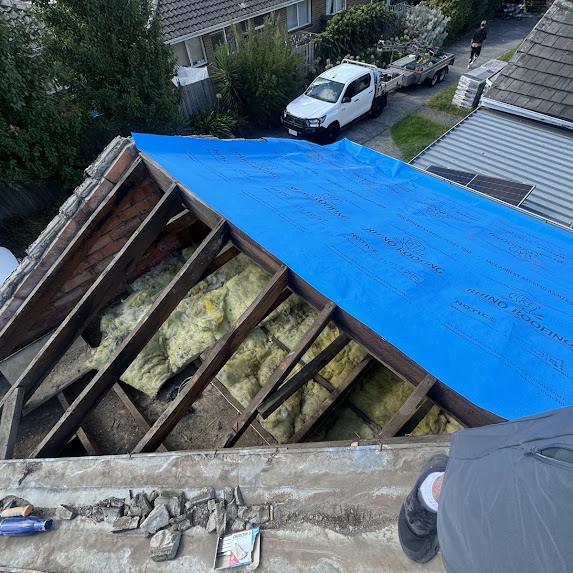
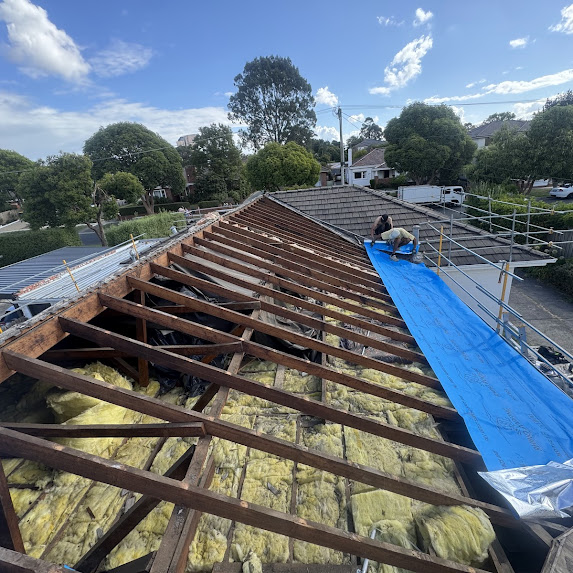
Roof sarking is a protective membrane that sits beneath your roof tiles. It’s designed to stop moisture, dust and wind from entering your roof cavity while also improving your home’s insulation. Sarking is a second skin for your roof, adding strength, protection, and long-term performance.
Let’s break down exactly what roof sarking does, when it’s required, and why more homeowners across Melbourne are choosing to include it in their roofing system.
What Is Roof Sarking?
Roof sarking is a flexible, laminated membrane that’s installed directly underneath your roof tiles. It can be made from materials like reflective foil, felt or polystyrene, depending on the product type. In many cases, sarking contains a reflective surface to help deflect radiant heat away from your roof cavity. Sarking is not visible once your tiles are laid, it sits quietly underneath, working 24/7 to block moisture, dust, and wind-driven rain from getting into your ceiling space. It’s especially important in exposed or bushfire-prone areas, and increasingly considered a must-have for homes in Melbourne’s unpredictable climate.
Is Roof Sarking Mandatory in Australia?
While roof sarking is not always mandatory, the National Construction Code (NCC) (formerly known as the Building Code of Australia) does have specific requirements:
- Sarking is required for new residential roofs where rafter lengths exceed 6 metres.
- Sarking is also recommended for tiled roofs with a pitch below 20 degrees, where water runoff is slower.
- In bushfire-prone areas, sarking may be required to meet BAL (Bushfire Attack Level) compliance.
Even if not required, many roofing experts recommend installing sarking as standard, especially for Melbourne homes affected by heavy rainfall, storm activity or seasonal dust.
Benefits of Installing Roof Sarking
Whether you’re building a new home or replacing your roof, adding sarking brings significant advantages:
✅ Moisture Protection
Sarking acts as a shield against wind-driven rain. If water gets under your roof tiles, the membrane catches it and directs it safely into the gutters, preventing internal leaks and ceiling damage.
✅ Improved Insulation Performance
Sarking works with ceiling insulation to reduce heat transfer, helping your home stay warmer in winter and cooler in summer. Reflective foil sarking can also deflect radiant heat, reducing your energy bills.
✅ Dust and Debris Barrier
In times of drought or during strong winds, sarking helps block fine dust, leaves and debris from entering the roof cavity.
✅ Fire Resistance
In bushfire zones, certain types of sarking can help block ember attack and meet BAL ratings, an added layer of protection for your family and home.
✅ Structural Support
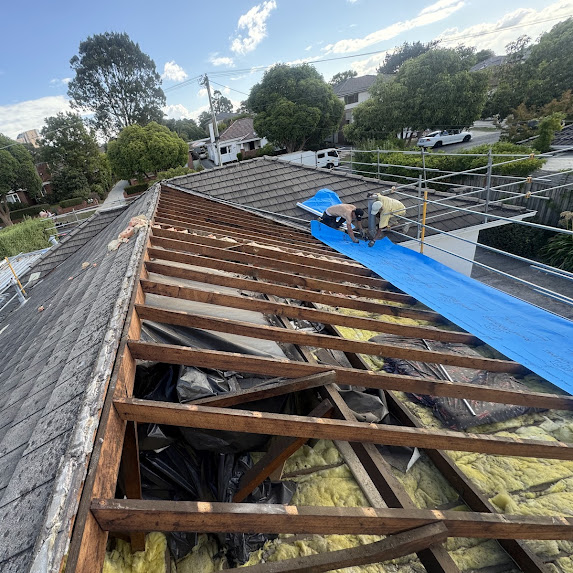
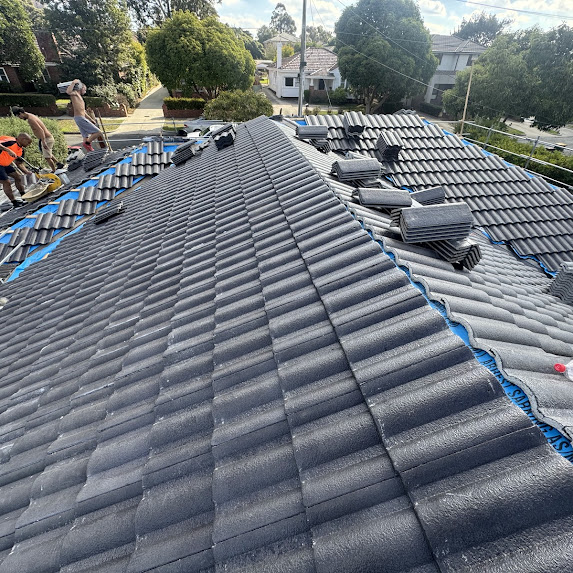
During roof installation, sarking provides a temporary waterproof layer before tiles are installed. It also offers additional strength against uplift during high winds.
When Should You Replace Your Sarking?
Over time, sarking can wear out, sag, or tear, especially if your roof is 15+ years old. Signs it may need replacing include:
- Visible tears or holes under tiles
- Sagging or drooping membrane in the roof cavity
- Water stains on the ceilings after heavy rain
- Unexplained drafts, dust or poor insulation performance
A qualified roofing specialist can inspect your roof and advise whether your existing sarking is still doing its job.
Do You Need Roof Sarking for Your Tiled Roof?
While it might not be mandatory for every home, roof sarking is one of the most cost-effective upgrades you can make to improve your roof’s performance and lifespan. It helps prevent leaks, improves comfort, and offers added protection against Melbourne’s famously unpredictable weather.
Need expert advice on roof sarking in Melbourne?
We’ve been repairing and restoring tiled roofs in Melbourne for over 30 years—and we’ll help you choose the right membrane to suit your home. Whether you’re building, upgrading, or replacing your roof, get in touch for a quote and expert advice.