Posted by Tom Connor, Owner of Metropolitan Roof Repairs, on .
Your roof colour and insulation can significantly affect your home’s energy efficiency and heating and cooling costs. Light-coloured roofs generally reflect more sunlight and absorb less heat, while effective insulation limits heat entering your home in summer and escaping in winter. Choosing the right combination can improve comfort and reduce energy bills throughout the year.
For Melbourne homeowners, this doesn’t mean everyone needs a white roof. A darker roof with good insulation may perform better than a light-coloured roof with inadequate insulation.
The important consideration is how the roof colour, insulation and overall roofing system work together.
This guide explains how roof colour influences heat absorption, whether darker roofs offer winter benefits and what to consider when selecting roofing materials or upgrading insulation.
Tom Connor is the owner of Metropolitan Roof Repairs and has more than 30 years of roofing experience across Melbourne. Tom and his team regularly work with Colorbond and tiled roofs, including roof restorations, replacements and projects involving insulation.
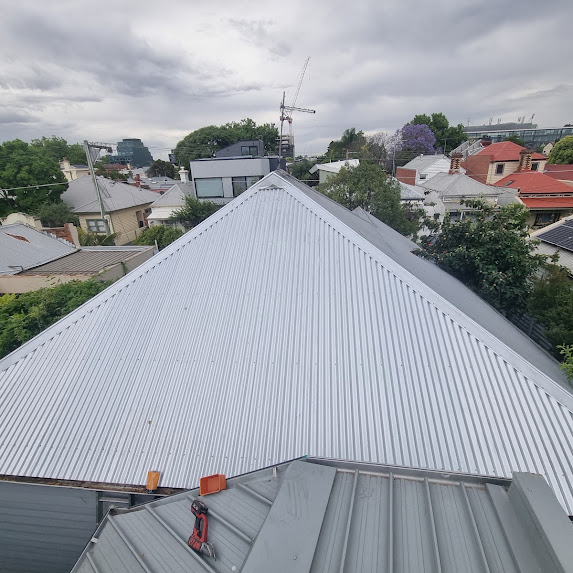
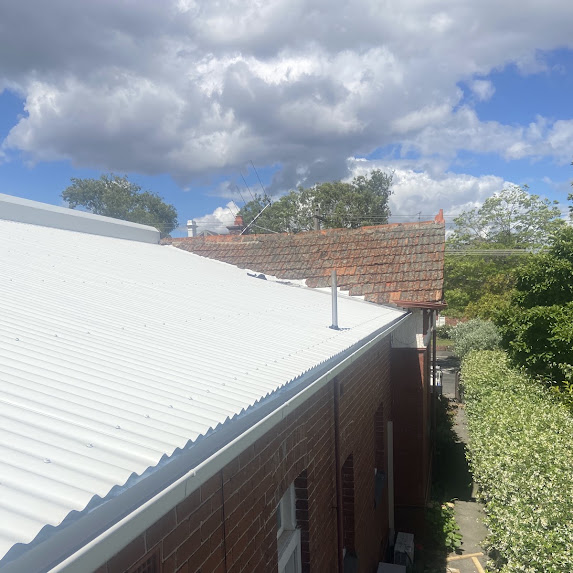
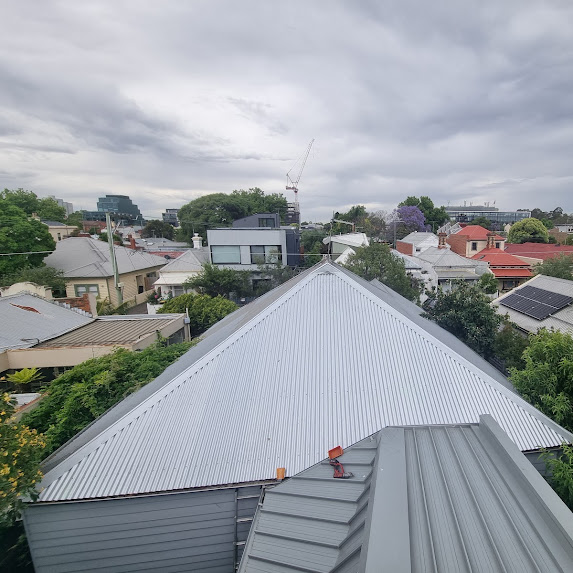
images: These light-coloured Colorbond roofs installed by Metropolitan Roof Repairs demonstrate how a lighter finish can complement a home’s appearance while reflecting more sunlight and reducing heat absorption during Melbourne’s warmer months.
How Does Roof Colour Affect Energy Efficiency?
Roof colour influences how much solar energy your roof absorbs, which can affect indoor temperatures and the amount of energy needed to cool your home.
The technical term for this is solar absorptance. Materials with low solar absorptance reflect more sunlight, while materials with high solar absorptance absorb more.
On a hot Melbourne afternoon, a dark roof exposed to direct sunlight can become considerably hotter than a lighter roof. Some of this heat enters the roof space and can eventually reach the rooms below.
If the ceiling is poorly insulated, your air conditioning may need to work harder to maintain a comfortable temperature.
The Australian Government’s YourHome guide to passive cooling identifies light-coloured roofing as one way to reduce unwanted heat entering a building.
How Do Light and Dark Roof Colours Compare?
| Factor | Light-Coloured Roofs | Dark-Coloured Roofs |
|---|---|---|
| Sunlight reflection | Generally higher | Generally lower |
| Summer heat absorption | Lower | Higher |
| Roof surface temperature | Generally cooler | Generally hotter |
| Summer cooling demand | Can reduce cooling requirements | Can increase cooling requirements |
| Winter solar absorption | Absorbs less solar warmth | Absorbs more solar warmth |
These differences are particularly relevant for homes with large, exposed roof areas receiving strong afternoon sunshine.
However, the effect on energy bills depends on more than colour. Insulation, ventilation, roof construction and the home’s orientation all influence how much heat reaches the living areas.
Can a Dark Roof Help Keep Your Home Warm in Winter?
Dark roofs absorb more solar energy during winter, but that doesn’t necessarily translate into meaningful savings on heating bills.
Some of the warmth remains in the roof space or escapes through ventilation rather than reaching the rooms below.
For Melbourne homes, a dark roof shouldn’t be considered a substitute for effective insulation or heating.
How Does Roof Insulation Affect Your Energy Bills?
While roof colour influences how much heat the roofing material absorbs, insulation helps control how much heat moves between the ceiling cavity and your living areas.
That makes it important in both summer and winter.
- During summer: Insulation limits heat moving from the hot roof space into living areas, reducing demand on air conditioning.
- During winter: It slows heat escaping through the ceiling, helping retain warmth and reducing heating requirements.
Without adequate insulation, heating and cooling systems may need to run longer to maintain comfortable indoor temperatures.
The Australian Government advises that appropriate insulation throughout a home’s roof, walls and floors could reduce heating and cooling costs by more than 50%.
Importantly, that figure relates to insulating the entire home, not ceiling insulation alone.
Why Insulation R-Values Matter
An insulation product’s R-value measures its resistance to heat flow. Higher R-values provide greater thermal resistance.
For example, R6.0 ceiling insulation offers more resistance than R4.0 when both products are correctly installed at their specified thickness.
The appropriate rating depends on the building’s construction, location and applicable requirements.
Installation also matters. Gaps, compressed batts and incomplete coverage can reduce the effectiveness of an otherwise suitable product.
For a closer look at available products, our guide to Bradford and Knauf roof insulation explains the differences between the two brands.
Can Good Insulation Offset a Dark Roof?
Yes. Effective insulation can substantially reduce the amount of heat entering your home from a dark roof, although it won’t eliminate the difference in solar absorption between light and dark roofing.
Consider two Melbourne homes with similar layouts and exposure.
Home A: Dark Roof With Good Insulation
The darker roofing absorbs more sunlight and becomes hotter during summer.
However, effective ceiling insulation limits heat moving from the roof cavity into the living areas.
As a result, indoor temperatures can remain more comfortable despite the dark roofing colour.
Home B: Light Roof With Poor Insulation
The lighter roofing reflects more sunlight and generally remains cooler.
But inadequate ceiling insulation allows heat to move more easily between the roof space and living areas.
Despite having a lighter roof, the home may still experience uncomfortable indoor temperatures.
The important takeaway: Home A could achieve better overall thermal performance despite having a darker roof. This is why roof colour and insulation should be considered together.
For existing homeowners, upgrading inadequate insulation may provide a more practical improvement than replacing a sound roof solely to change its colour.
Which Colorbond Roof Colours Are More Energy Efficient?
Lighter Colorbond colours generally reflect more sunlight than darker finishes, making them worth considering when reducing summer heat absorption is a priority.
Colorbond® steel incorporates Thermatech® solar reflectance technology across its core Classic and Matt colour ranges, except Night Sky®. The technology is designed to improve solar reflectance and reduce heat absorption.
However, that doesn’t make every Colorbond colour thermally equivalent.
Lighter Colorbond Colours
Colours such as Surfmist® and Classic Cream™ generally have lower solar absorptance than darker finishes.
They can be particularly useful for homes with extensive roof areas exposed to direct summer sunlight.
Darker Colorbond Colours
Monument®, Woodland Grey® and Night Sky® remain popular choices for contemporary Australian homes.
Although these colours absorb more heat, they can still be suitable when paired with effective insulation and appropriate ventilation.
The decision also involves the home’s appearance, surrounding materials and architectural style.
Rather than judging a product solely by how light or dark it looks, compare the manufacturer’s published solar absorptance values.
Our guide to choosing the right Colorbond roof colour explores the available finishes in more detail.
What Else Influences Your Roof’s Thermal Performance?
Colour and ceiling insulation are important, but they’re only two parts of the roofing system. Three other considerations deserve attention.
Roof Sarking and Reflective Insulation
Roof sarking and suitable reflective materials can help manage radiant heat and moisture beneath the roof covering.
Unlike bulk ceiling insulation, their effectiveness depends on the product, surrounding air spaces and how they’re installed.
For metal roofing, suitable insulation blankets may also help reduce noise from rainfall.
Roof Space Ventilation
Ventilation can help remove accumulated heat from a roof cavity during warmer weather.
However, the arrangement must suit the roof design and account for condensation management, particularly during Melbourne’s cooler months.
Simply adding vents without assessing the overall roofing system may not produce the intended result.
The Condition of Your Roof
Damaged roofing materials, leaks and deteriorated insulation can undermine the thermal performance of an otherwise well-designed roof.
Wet, displaced or compressed ceiling batts may need attention, but any source of moisture should be repaired before replacement insulation is fitted.
Checking the roof’s condition is a sensible first step before investing in energy-efficiency improvements.
Our guide to roof sarking and its benefits explains how an additional protective layer can contribute to the overall roofing system.
Should You Choose a Lighter Roof Colour When Replacing Your Roof?
A lighter roof colour is generally worth considering if reducing summer heat absorption is a priority, particularly when replacing an ageing roof.
However, Melbourne experiences both hot summers and cold winters. Your decision should account for year-round comfort rather than focusing exclusively on summer conditions.
Five Things to Check Before Choosing
- Existing insulation: Is it adequate, correctly fitted and in good condition?
- Roof exposure: Does the roof receive strong direct sunlight, particularly during summer afternoons?
- Colour selection: Would a lighter, more reflective colour suit your home’s appearance?
- Roofing materials: Are the existing roof covering, sarking and ventilation appropriate?
- Future work: Is the roof approaching replacement, or could targeted improvements address the problem?
For homeowners already considering roof restoration, the project presents an opportunity to review both the roof’s condition and its colour.
Can Roof Painting Improve Energy Efficiency?
Changing your roof colour through a suitable coating can alter its solar reflectance.
A lighter, more reflective coating may reduce summer roof surface temperatures compared with a darker finish. The actual difference depends on the coating’s properties, existing roofing material and condition of the roof.
Roof painting won’t compensate for damaged insulation, nor does it guarantee a particular percentage reduction in energy bills.
If you’re considering roof painting, colour selection and the suitability of the existing roof should form part of the assessment.
Choosing the Right Roof Colour and Insulation for Your Melbourne Home
The right combination of roof colour and insulation can improve indoor comfort and reduce heating and cooling costs.
Lighter roofing generally offers advantages during hot weather, while effective insulation helps regulate temperatures throughout the year.
For an existing home, improving inadequate insulation may be more practical than replacing a sound roof solely for a lighter colour.
If you’re already planning restoration or replacement, it’s worth considering the roof colour, insulation and overall condition together.
At Metropolitan Roof Repairs, we work with Colorbond, metal and tiled roofs throughout Melbourne. Our team can assess your roof’s condition, discuss suitable colour options and identify roofing or insulation work worth considering.
Prefer to enquire online? Request a free quote.