Posted by Tom Connor, 8th April 2026
If your roof is sagging, dipping, or showing cracks inside the house, it usually means the structure underneath needs attention, not just cosmetic repairs.
In many Melbourne homes, these warning signs develop gradually and are often first noticed during a building inspection, after a leak, or when ceilings begin to shift. While the damage can appear alarming, most structural roof problems can be repaired safely once the cause is properly identified.
This guide explains the five most common signs that a roof requires structural repair and when a roof carpenter is needed rather than general roofing work. It is designed to help homeowners understand what to look for, how serious the issue might be, and what steps to take next.
The information in this article is based on the practical experience of Tom Connor, owner of Metropolitan Roof Repairs. Tom has worked extensively on structural timber roof repairs across Melbourne homes for more than 30 years. His team of expert roof carpenters regularly assesses roof movement, timber failure, and structural defects identified in building reports, and carries out repairs that meet Victorian Building Authority requirements.
Sign 1: A “Swayback” Ridge or Sagging Roofline
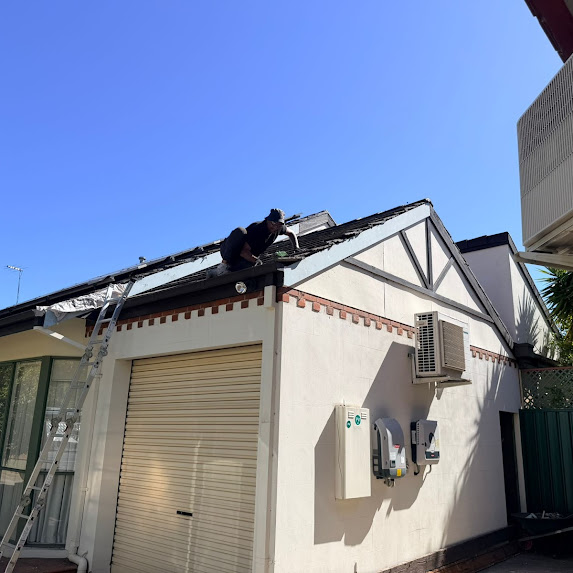
A noticeable dip in the middle of your roof, commonly referred to as a swayback, is one of the clearest signs of structural movement.
If the roof ridge begins to sag, the underlying cause is often related to the weakening of the ridge board or ridge beam, which runs along the highest point of the roof structure. Over time, these components can lose strength, particularly in older homes supporting heavy tile roofing materials such as terracotta.
In many Melbourne properties, rafters gradually bow due to age, sustained load, or natural timber movement. From street level, this often appears as a visible sag along the roofline.
While the movement may develop slowly, it is a strong indication that the roof framing requires structural attention rather than cosmetic repairs.
Sign 2: Rotting or Drooping Fascia Boards
Fascia boards run along the edge of the roof and provide support for the guttering system. When these boards begin to rot, soften, or pull away, the issue is rarely limited to surface damage.
Moisture ingress from rain, combined with heat and expansion cycles, can gradually weaken the timber structure. When fascia boards deteriorate, the rafter tails beneath them are often affected as well.
In these situations, simple patch repairs are usually temporary. Proper structural reinforcement or replacement is typically required to restore stability.
If you are seeing these signs, it may be useful to review our guide to roof fascia repairs.
Sign 3: Visible Dips in Stick Framing or Truss Framing
Not all roofs are constructed the same way, and understanding how your roof is built can help identify the source of structural problems.
Stick roof framing is built piece by piece on site using individual rafters, ridge boards, and ceiling joists. This method is common in older homes and allows greater flexibility for custom designs and irregular roof shapes, but it requires skilled installation and ongoing structural support.
Truss roof framing uses pre engineered triangular units known as trusses. These components are manufactured off site and installed as complete sections, allowing faster construction and consistent structural strength. Most modern homes use truss systems.
Common warning signs include:
- In stick-framed roofs, rafters dip between supports
- In trussed roofs, visible bowing or distortion in the truss shape
These conditions are typically caused by load stress, undersized timber, or previous repairs that did not meet structural requirements. In many cases, targeted roof truss repair or reinforcement can resolve the issue without requiring full replacement of the roof structure.
Sign 4: Internal Roof Spread and Failing Collar Ties
Collar ties are horizontal structural members that connect rafters on opposite sides of the roof near the ridge. Their purpose is to prevent the roof from spreading outward under load.
Roof spread occurs when these ties weaken, fail, or are incorrectly installed during construction.
Common indicators include:
- Cracks appearing in ceilings or internal plaster
- Walls showing subtle outward movement
- Increased stress across the roof structure
These symptoms often develop gradually and can go unnoticed until more visible structural movement occurs. Without proper reinforcement, the stability of the entire roof frame can be compromised.
When these conditions are present, structural repair by a qualified roof carpenter is typically required rather than general roofing work.
Sign 5: Daylight or Gaps Visible in the Roof Cavity
If you enter the roof cavity or attic space and notice daylight coming through gaps in the structure, the issue should be investigated promptly.
This situation is sometimes mistaken for a missing roof tile, but the underlying cause is often related to structural movement or timber displacement.
Common causes include:
- Timber shifting due to structural load
- Movement is creating gaps within the roof framing
- Misalignment of structural members
Left unresolved, these gaps can lead to water ingress, insulation damage, and further weakening of the roof structure. Addressing the underlying cause usually requires realignment and reinforcement by a qualified roof carpenter.
Why Structural Roof Repairs Must Meet Victorian Building Authority Standards
The Victorian Building Authority, commonly referred to as the VBA, sets the regulatory standards that govern structural building work across Victoria.
These requirements ensure that structural repairs are completed safely, comply with engineering principles, and provide long-term reliability for the property.
For additional guidance on structural building requirements, you can refer directly to the Victorian Building Authority.
Working with experienced and properly licensed professionals helps ensure that repairs meet regulatory standards and protect the long-term integrity of your home.
FAQs
What is the difference between roof carpentry and general roofing?
Roof carpentry focuses on the structural timber components that support the roof, including rafters, trusses, ridge beams, collar ties, and other load bearing elements. These parts form the framework that carries the weight of the roof and keeps the structure stable.
General roofing, by contrast, deals with the external weatherproofing layers of the roof, such as tiles, metal sheets, flashing, and waterproof membranes. While both trades are essential, structural problems like sagging, movement, or timber failure typically require a qualified roof carpenter rather than a standard roofing repair.
Can you repair a single roof truss, or do all roof trusses need replacing?
In many situations, a single damaged roof truss can be repaired or reinforced without replacing the entire roof structure. This approach is common when the damage is localised, such as cracking, timber movement, or minor structural stress.
Repairs may involve strengthening the existing truss with additional timber supports, installing structural brackets, or redistributing load across the surrounding framework. Full replacement is usually only necessary when multiple trusses are compromised or when the structural integrity of the roof has been significantly affected.
A professional inspection is the most reliable way to determine the appropriate repair method.
How does Melbourne’s wet weather affect exposed roof timber?
Melbourne’s frequent rainfall and temperature changes can accelerate deterioration in exposed roof timber, particularly when moisture enters untreated or poorly protected wood. Over time, repeated wet and dry cycles can lead to timber swelling, cracking, and eventual rot.
Moisture related damage is especially common around roof penetrations, fascia boards, and poorly ventilated roof cavities. If left unresolved, the weakening timber can reduce the load bearing capacity of the roof structure and contribute to sagging or movement.
Regular inspections and timely repairs help prevent minor moisture damage from developing into more serious structural problems.
What are the signs of poor or incorrect roof carpentry work?
Structural problems are sometimes caused by previous repairs that were completed without proper materials, engineering guidance, or compliance with building standards.
Common warning signs of poor roof carpentry work include:
- Undersized or mismatched timber used in structural areas
- Missing or incorrectly installed collar ties or bracing
- Temporary fixes using scrap materials or inadequate fasteners
- Visible sagging, movement, or misalignment in the roof frame
- Repairs that do not meet current Australian Building Standards
If any of these issues are present, a qualified roof carpenter should assess the structure to determine whether reinforcement or corrective work is required.
Is a sagging roof a structural emergency in Melbourne homes?
A sagging roof is usually a sign of structural movement and should always be investigated promptly. While not every case requires immediate emergency repairs, ongoing movement can increase the risk of further damage if left unresolved.
Early intervention is typically more straightforward and significantly less costly than major structural reconstruction. In many Melbourne homes, timely roof carpentry repairs can stabilise the structure and prevent long term deterioration.
If you notice visible sagging, cracking ceilings, or shifting roof lines, arranging a professional inspection is the safest next step.