
Posted by Tom Connor, 24th June, 2026
A Heritage Overlay generally permits routine, like-for-like roof maintenance that keeps a home weatherproof without altering its street appearance, but a planning permit is almost always required for visible structural changes, material alterations, or street-facing solar installations.
In Victoria, a Heritage Overlay is a planning control used in local planning schemes to conserve and enhance heritage places and precincts. Councils like Yarra and Glen Eira state that a planning permit is normally required to construct or externally alter a building, carry out works, or demolish part or all of a building in the Heritage Overlay, subject to schedule‑specific exemptions. However, there are important carve‑outs for routine maintenance and some like‑for‑like repairs that do not change the appearance of the place.
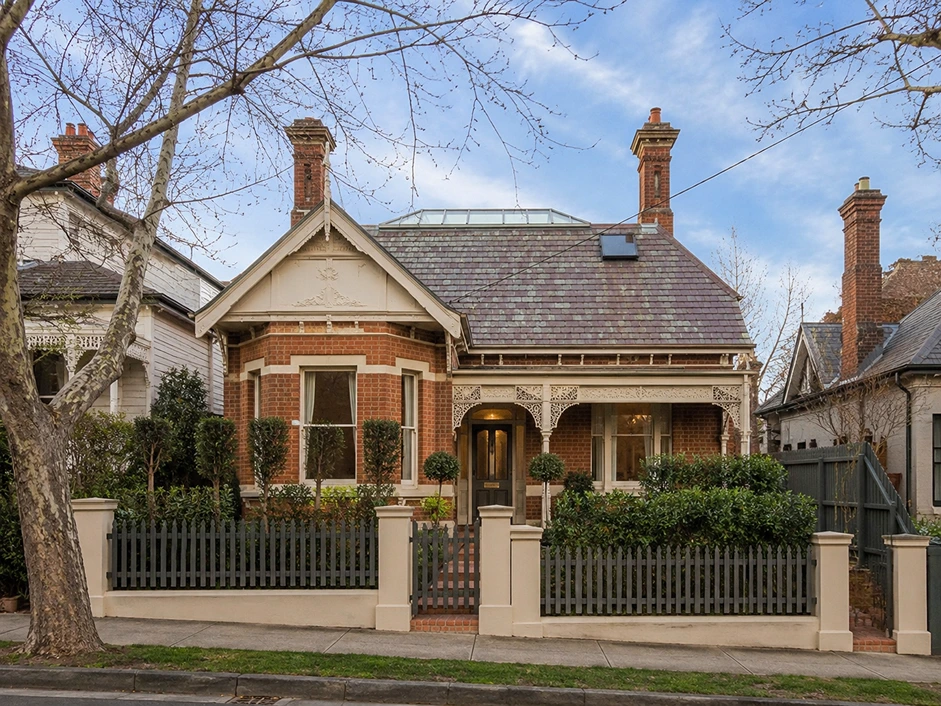
Maintenance vs Alteration: The Line Councils Care About
Glen Eira’s “Heritage Overlay controls” FAQ shows clearly how councils distinguish between maintenance and alteration:
A planning permit is required to:
- Demolish or remove a building (including part of a building).
- Construct a building (including part of a building or a fence).
- Externally alter a building.
- Construct or carry out works.
- Construct or display a sign.
- Externally paint an unpainted surface.
A planning permit is not required to:
- “Carry out works, repairs or maintenance which do not change the appearance of a heritage place and which are undertaken to the same details, specifications and materials.”
At the same time, state guidance on minimum standards for maintenance of heritage places and the Heritage Council’s advice emphasise that owners must keep heritage places weatherproof and secure, including maintaining roofs and drainage to prevent deterioration. Authorities therefore want roofs maintained, but they also want control over visible changes that affect heritage character.
Roof Work That Often Does Not Need a Planning Permit
Exact requirements always depend on your planning scheme and Overlay schedule, but examples of roof‑related work that often fall under maintenance exemptions include:
- Replacing damaged roof cladding with matching material, profile and colour, such as swapping cracked terracotta tiles for new terracotta tiles in the same pattern, or patch‑replacing a rusted section of corrugated steel with the same profile.
- Re‑fixing or repairing flashings, ridge cappings and tiles with the same materials so that the roof looks the same when viewed from the street.
- Cleaning and minor rust treatment to gutters and downpipes, and repainting them in the same colour where external painting controls are not specifically triggered in your Overlay schedule.
Works, repairs or maintenance that do not change the appearance of the heritage place and are undertaken to the same details, specifications and materials are often exempt from planning permits under the Heritage Overlay, depending on the specific Overlay schedule and whether the finished roof looks different when viewed from the street.
Even where a planning permit is not required for maintenance, a building permit may still be needed under the building regulations if the work is structural or otherwise captured by the Building Act.
Roof Work That Usually Does Need a Planning Permit
By contrast, certain roof projects almost always require a planning permit because they alter the heritage character of the building or precinct:
- Changing roof material – for example, replacing a terracotta or slate roof with metal sheeting, or vice versa, which significantly alters the appearance of the roof and streetscape.
- Changing roof colour or profile in a visible way, such as moving from traditional red or grey tones to a strongly contrasting modern colour, or from traditional corrugated sheeting to a completely different profile.
- Adding new roof forms, including dormer windows, large skylights visible from the street, roof decks or upper‑storey additions that alter the roofline silhouette.
- Major extensions that alter how the building presents to the street, especially when the building is individually significant or contributory within a heritage precinct.
Yarra’s heritage overlay guidance notes that a planning permit is normally required to construct or externally alter a building and to carry out works in the Overlay, and its heritage policies provide design principles for acceptable roof forms, heights, setbacks and visibility of additions behind existing roofs.
Solar Panels on Heritage Roofs
Solar is a common upgrade on older homes, and there is now specific Victorian guidance for heritage situations.
Solar Victoria’s “Solar on heritage‑listed properties: What you need to know” explains that the Victorian Planning Provisions have been amended so that, in many Heritage Overlay situations, solar panels do not require a planning permit where the system is not visible from a street (other than a lane) or a public park, subject to the requirements of the relevant planning scheme.
If the panels will be visible from a street (other than a lane) or from a public park and the dwelling is in a Heritage Overlay, a planning permit is generally required. Yarra City Council’s fact sheet on solar panels in Heritage Overlays repeats this rule and gives examples of compliant locations, such as rear roof planes and behind parapets.
Solar Victoria also notes that if a property is on the Victorian Heritage Register, heritage permits or permit exemptions from Heritage Victoria are required for solar installations, regardless of visibility.
Where possible, both Solar Victoria and councils encourage owners to:
- Place panels on less visible roof planes or towards the rear of the property.
- Avoid elevated framing or angles that make panels more prominent than they need to be.
- Consider alternative structures like garages or pergolas in lower‑sensitivity locations.
Heritage Planning Permits vs Building Permits for Roof Work
Even if you determine that a planning permit is not required under the Heritage Overlay (for example, for like‑for‑like maintenance), you may still need a building permit for roofing work under Victorian building regulations.
The Victorian Building Authority and several planning consultants explain that:
- A planning permit deals with how the land is used and developed under the planning scheme and is issued by council.
- A building permit is written approval from a registered building surveyor that the proposed building work complies with the Building Act and Building Regulations.
Frankston City Council notes that a project might require one, both or neither type of permit, and that they are separate processes. So you should always check both planning and building requirements before starting major roof work, especially on a heritage property.
How to Avoid Getting Caught Out
Before signing a roofing contract on a heritage place in Melbourne:
1. Confirm whether a Heritage Overlay applies
Use VicPlan to look up your address and check the “Planning Scheme Overlays” for any HO entry. Generate a council planning property report, where available, to confirm whether a Heritage Overlay applies and to see all relevant planning controls.
2. Read the Overlay schedule for your property
Find the Schedule to Clause 43.01 – Heritage Overlay and look up your HO number. Note any additional controls on external paint, internal alterations or trees that might affect associated works like fascia or eave changes.
3. Clarify exactly what your roofer will change
Ask your contractor about material, profile, colour and any structural changes, and whether new elements (e.g. skylights, dormers) will be visible from the street.
4. Seek written advice from council (and Heritage Victoria, where relevant)
Councils like Glen Eira and Yarra encourage owners to contact planning staff to confirm whether a planning permit is required for proposed works in the Heritage Overlay. For properties on the Victorian Heritage Register, Solar Victoria and the Heritage Council recommend contacting Heritage Victoria about permit or exemption requirements before installing solar or undertaking major works.
Taking these steps up front is far cheaper and less stressful than discovering mid‑project that your roof works are considered unauthorised under a Heritage Overlay—and it gives you the chance to design a solution that keeps your home dry and your heritage character intact.
Got a leaking heritage roof and unsure about permits?
When water is getting into your home, you need to act fast—but on a heritage property, you also need to act carefully. Proceeding with the wrong materials or unapproved structural changes can lead to council fines and forced rectifications.
Fortunately, many urgent, like-for-like maintenance jobs can be completed without a lengthy planning permit process, provided they exactly match the existing details and specifications.
If you’re dealing with roof damage and need to know the right pathway forward, arranging an inspection with heritage roofing specialists ensures your home stays dry and your heritage character remains intact.
Metropolitan are the heritage roofing specialists