
Posted by Tom Connor, 24th June, 2026
To determine if your Melbourne home is subject to heritage planning controls, you can quickly search your address on the VicPlan mapping tool to check for local Heritage Overlays, and then check the Victorian Heritage Register for state-level protections.
Buying or renovating in Melbourne and worried your house might be “heritage listed”? Whether you are planning standard repairs or need the expertise of heritage roofing specialists, the good news is you can usually find out in under 10 minutes, and it’s worth checking before you commit to major plans.
In Victoria, the two main things to look for are whether your property is in a Heritage Overlay in your local planning scheme and whether it is included on the Victorian Heritage Register. Those two layers tell you which heritage controls you are dealing with.
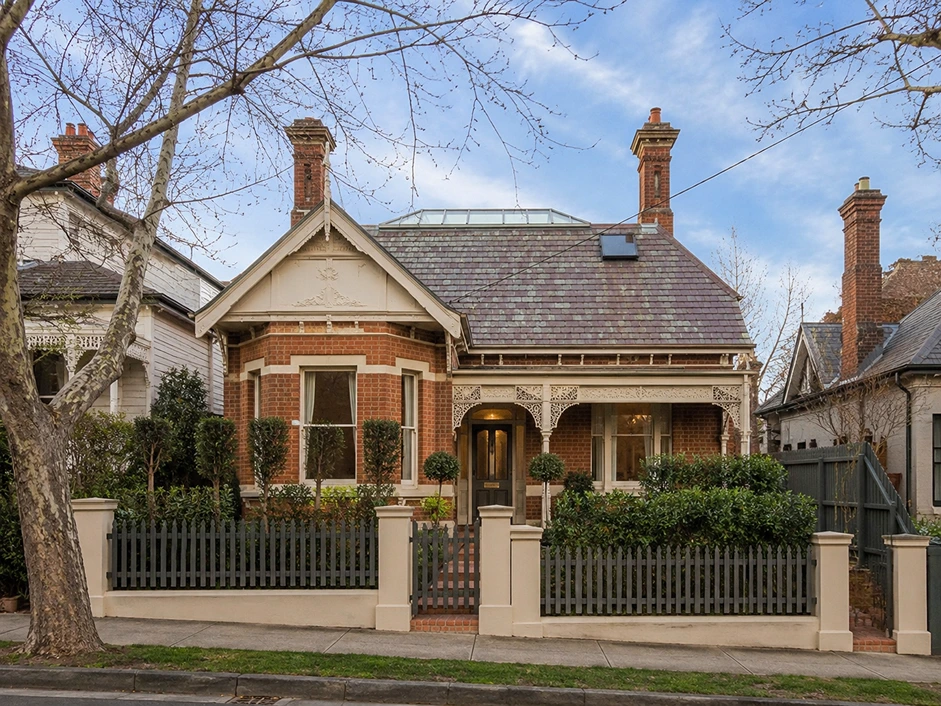
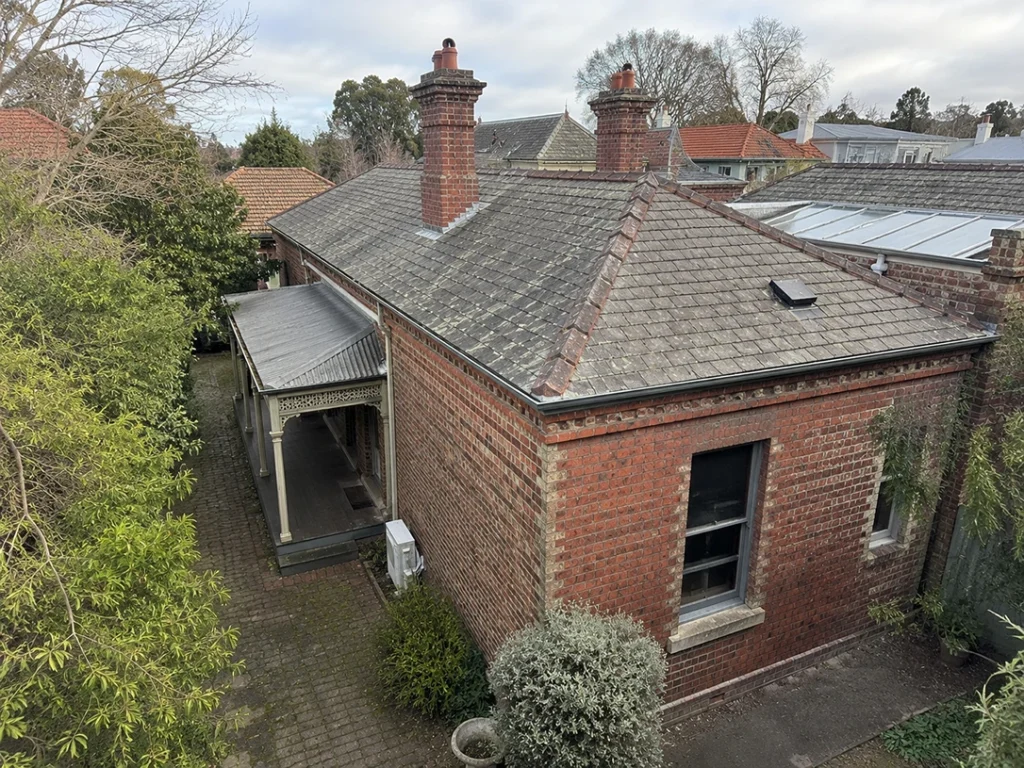
Four places to check before planning work
A property may be protected by a local Heritage Overlay, included on the Victorian Heritage Register or affected by other heritage controls. Use these four checks to understand which requirements may apply.
Search your address in VicPlan
Enter the property address and review the planning information shown on the map. Look for a Heritage Overlay code beginning with “HO”.
Planning map 1Read the Heritage Overlay schedule
The schedule explains the controls that apply to the place, including whether permits may be required for external alterations, painting, demolition or other works.
Local controls 2Check the Victorian Heritage Register
Search for the property by address or place name to see whether it has been recognised as a place of state-level cultural heritage significance.
State significance 3Review other heritage records
Council heritage studies, local databases and national heritage records may provide more information about the property’s history, significance and important architectural features.
Supporting records 4Heritage Overlay or Heritage Register?
The two forms of heritage protection are related, but they are managed differently and can involve different approval processes.
Heritage Overlay
- Forms part of the local planning scheme
- Usually administered by the local council
- May apply to an individual property or an entire precinct
- Can control external alterations, materials, colours and demolition
Victorian Heritage Register
- Covers places of state-level heritage significance
- Administered by Heritage Victoria
- May require a heritage permit or permit exemption
- Can regulate a broader range of building and conservation work
Step 1: Check if Your Property Is in a Heritage Overlay
Both Solar Victoria and the Victorian Planning Authority recommend starting with VicPlan, the state planning map.
- Go to VicPlan and search for your address.
- In the map information panel, look under “Planning Scheme Overlays” to see if there is a Heritage Overlay (HO) listed.
- Click the HO entry for more information and a link to the relevant planning scheme documents.
Many councils also provide their own tools. Yarra City Council, for example, offers an online property report service that tells you whether your property is in a Heritage Overlay and summarises the planning controls affecting it. Other councils provide interactive maps or PDF planning reports where you can confirm Overlay status similarly.
If you see an HO code—such as HO1, HO123 or similar—next to your property, it is subject to local Heritage Overlay controls.
Step 2: Read the Heritage Overlay Schedule
Once you know there is an HO, the next step is to understand what it actually controls.
Planning Victoria’s guidance explains that the list of places and the rules that apply to them are set out in Clause 43.01 – Heritage Overlay and the associated Schedule to the Heritage Overlay in each planning scheme.
Glen Eira’s Heritage Overlay controls page is a good example of what you will find:
- Clause 43.01 and its schedule tell you when a planning permit is required (demolition, constructing a building or fence, external alterations, works, external painting of unpainted surfaces, etc.).
- The schedule can specify additional controls on external paint, internal alterations and trees, and may identify significant or contributory buildings within broader heritage precincts.
Reading your HO schedule will show you whether internal alteration controls apply, whether external painting is specifically controlled, and whether trees or other features have special protection.
Step 3: Check the Victorian Heritage Register
Next, you need to see whether your property is listed on the Victorian Heritage Register, which covers places and objects of state‑level cultural heritage significance.
Solar Victoria and the Heritage Council of Victoria both direct owners to Heritage Victoria’s website to search the Register by address or place name. If your property is found on the Register:
- It is legally protected under the Heritage Act 2017.
- Many works — including most external works and some internal works — require a heritage permit or permit exemption from Heritage Victoria.
Heritage Victoria, rather than council, is the primary decision‑maker for those heritage permits, although your local planning scheme may also show the property in the Heritage Overlay as a “registered” place.
The majority of suburban houses in Melbourne are not on the Victorian Heritage Register; they are more commonly affected by local Heritage Overlays instead.
Step 4: Look for Other Heritage‑Related Listings and Information
Beyond statutory controls, there are other sources that help you understand your property’s heritage context:
- Victorian Heritage Database: A combined database that includes Victorian Heritage Register entries, Heritage Inventory sites and many locally significant places and precincts.
- National Trust Register: The National Trust of Australia (Victoria) maintains a non‑statutory register of places it considers significant; this can influence public debate and decision‑making but does not itself impose planning controls.
- Council heritage studies and citations: Planning Victoria notes that councils identify local heritage places and precincts through heritage studies that assess history, description and significance. Councils such as Yarra publish precinct maps and property gradings (significant, contributory, non‑contributory), which explain why your street is protected.
These documents often highlight the key features—such as Victorian terraces, Edwardian and Federation streetscapes, inter‑war homes and other periods—that overlays are seeking to conserve.
What It Means If Your House Is Heritage
If your checks show your property is in a Heritage Overlay or on the Victorian Heritage Register, you are dealing with heritage controls.
Heritage Overlay:
Councils like Yarra and Glen Eira explain that in the Heritage Overlay a planning permit is generally required to demolish or remove a building, construct a building or fence, undertake external alterations, or carry out works, unless an exemption applies. Internal alterations are usually only controlled where the schedule applies internal alteration controls.
Victorian Heritage Register:
If your place is on the Victorian Heritage Register, Heritage Victoria must consider permit applications for many types of works, and you must obtain a heritage permit or permit exemption before most external and some internal works can proceed.
The Heritage Council’s “Caring for your heritage listed property” guide emphasises that owners of heritage‑listed properties have legal responsibilities to keep buildings weather‑tight and safe and to avoid damage to heritage fabric, and that advice and sometimes financial assistance may be available for conservation works.
What It Means If Your House Is Not Heritage
If your quick checks show that your property is not in a Heritage Overlay and not on the Victorian Heritage Register:
- You will not face heritage‑specific planning triggers, although general zoning, overlay and building requirements still apply for changes like extensions and demolitions.
- If you are close to a heritage precinct, council may still consider the impact of your development on nearby heritage streetscapes through general planning policies.
Even where no formal heritage controls apply, the Heritage Council’s “Your Home” resources point out that understanding your home’s age and character can help you make better decisions about upgrades, energy‑efficiency improvements and sympathetic renovations.
Taking ten minutes to run through these checks before you buy or before you lock in renovation plans gives you a clear picture of what’s possible, what processes you will need to follow, and how heritage considerations might shape your project.
Just discovered your Melbourne home is in a Heritage Overlay?
Finding out your property has heritage protections shouldn’t stop you from making the necessary updates to keep it safe, secure, and looking its best.
Whether you’re preparing to renovate or just need to fix years of wear and tear, using the correct period-appropriate materials and understanding council expectations will save you time and money.
Before you commit to any major external works or repairs, getting a professional assessment and advice from heritage roofing specialists will give you a clear, compliant roadmap for your project.
Need help with your roof?