Posted by Tom Connor, Owner of Metropolitan Roof Repairs, on .
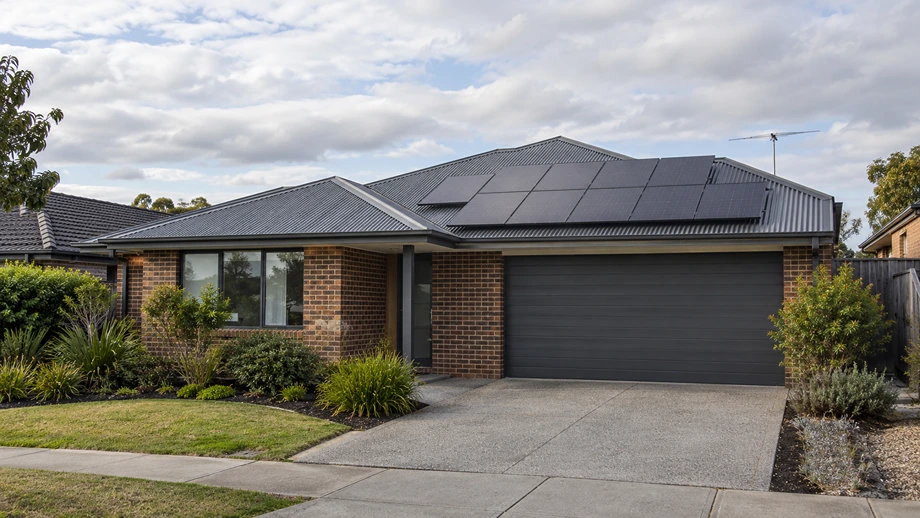
Metal roofs are the best roofing choice for solar panels because they’re durable, lightweight and easier to install on than tiled roofs. While we recommend metal roofs for solar, the roof’s condition, age and structural suitability must still be checked before installation.
Colorbond® roofing is particularly well suited to Australian homes. Colorbond® offers long-term durability and compatibility with modern solar mounting systems. It’s important to note, however, that installing solar panels on an ageing roof can create expensive complications if repairs or replacement become necessary later.
Tom’s guide below examines the benefits of metal roofing for solar panels, compares metal with traditional tiles and explains what homeowners should check before installation.
Tom Connor owns Metropolitan Roof Repairs and has more than 30 years of experience in the roofing industry. Tom and his team work extensively with Colorbond, corrugated metal and tiled roofs across Melbourne.
Why Are Metal Roofs Good for Solar Panels?
Metal roofs offer several advantages for solar installation, particularly their durability, lighter weight and compatibility with modern mounting systems.
Easier Solar Panel Installation
Installing solar panels on metal roofs is typically more straightforward than installing them on tiled roofs.
Corrugated roofing allows mounting brackets and rails to be secured using compatible fixing systems. Unlike tiled roofs, there are no individual tiles to lift, reposition or potentially crack during installation.
The Australian Government’s Solar Consumer Guide confirms that attaching solar panels to corrugated steel roofing is generally easier than attaching them to tiles.
Different metal roofing profiles require different mounting methods, so installers must select compatible equipment and follow the manufacturer’s specifications.
Long-Term Durability
Solar panels are designed to operate for decades, making the lifespan of the roofing materials beneath them an important consideration.
Quality metal roofing can provide decades of service when correctly installed and maintained. Colorbond steel features protective coatings designed to resist corrosion and weather exposure.
However, an older roof with rusted screws, deteriorating flashings or damaged sheets may require attention before installation. Addressing these problems early helps avoid future complications when access becomes more difficult.
Lightweight Roofing Materials
Metal roofing is considerably lighter than concrete or terracotta tiles. This can be advantageous when planning a solar installation because the supporting structure must accommodate the roofing materials, panels, brackets and additional wind loads.
However, a lightweight roof does not automatically guarantee structural suitability. The relevant qualified professional must assess the structure before installation.
Compatibility With Different Mounting Systems
Different metal roof types can accommodate solar panels using mounting systems designed for their particular profiles.
Corrugated roofing generally requires mounting brackets secured through the sheets into suitable structural supports, using correctly installed screws and seals to prevent leaks.
Standing seam roofs offer another advantage. Compatible clamps can attach directly to the raised seams, allowing installers to avoid drilling additional holes through the roof sheets.
The correct system must suit the roofing profile, structural requirements and manufacturer’s specifications.
Is Colorbond® Roofing Good for Solar Panels?
Colorbond® roofing is an excellent option for solar panels, provided the roof is structurally suitable and the mounting equipment is compatible with its profile.
Colorbond® steel offers durability, weather resistance and a range of roofing profiles suited to solar installation.
Three factors deserve particular attention:
- Roof condition: Check sheets, flashings and existing fixings for damage or corrosion.
- Mounting compatibility: Brackets, rails and screws must suit the roofing profile without damaging protective coatings.
- Waterproofing: Roof penetrations must be correctly positioned and sealed to prevent leaks.
Metal also expands and contracts with temperature changes. Mounting systems must accommodate this thermal expansion in accordance with manufacturer requirements.
Regular maintenance becomes particularly important once solar panels are installed. Our guide to maintaining your Colorbond roof and preventing leaks explains the areas homeowners should monitor.
Does Colorbond Roof Colour Affect Solar Efficiency?
Colorbond colours have different solar reflectance properties. Lighter colours generally reflect more of the sun’s heat, which can improve a home’s thermal performance.
However, roof colour is only one consideration. Solar panels work by converting sunlight into electricity. Their energy efficiency depends on factors including panel temperature, orientation, shading, ventilation and system design.
A lighter roof may reduce heat absorption, but it does not guarantee substantially higher solar electricity production.
Metal Roofs vs Tiled Roofs: Which Is Better for Solar Panels?
Both metal and tiled roofs can support solar panels effectively, but metal roofing generally offers advantages in installation simplicity and weight.
| Factor | Metal roofing | Tiled roofing |
|---|---|---|
| Installation | Generally easier on corrugated steel | May require lifting or modifying tiles |
| Weight | Lightweight covering | Heavier covering |
| Mounting | Profile-specific brackets or seam clamps | Brackets fitted beneath or around tiles |
| Damage risks | Poorly sealed fixings and coating damage | Cracked or displaced tiles |
| Maintenance | Check screws, flashings and corrosion | Check tiles, ridge bedding and pointing |
| Cost considerations | Often simpler to mount | Additional tile work may increase installation costs |
For homeowners choosing a new roof specifically for solar panels, metal roofing is often the more practical option.
However, replacing a sound tiled roof solely to install solar panels is generally unnecessary. Both roof types can perform well when maintained and fitted with appropriate equipment.
Should You Replace Your Roof Before Installing Solar Panels?
Replacing an ageing roof before installing solar panels can prevent additional costs and disruption when major roofing work becomes necessary later.
Once a solar system is installed, repairing or replacing the roof underneath becomes more complicated. The panels and mounting equipment may need to be professionally removed and reinstalled.
The Australian Government recommends addressing necessary roof repairs or replacement before installing solar panels.
Signs Your Roof May Need Attention
For metal roofs, warning signs include:
- Rust or corrosion around screws, sheet edges or flashings.
- Loose or deteriorating roof sheets.
- Existing water leaks or moisture entering the roof cavity.
- Damaged valleys, ridge capping or roof penetrations.
- Roofing materials approaching the end of their expected lifespan.
For tiled roofs, cracked tiles, deteriorating ridge bedding and loose pointing may also require attention.
A professional inspection can identify these problems before mounting brackets, rails and solar modules make sections of the roof harder to access.
Can You Restore a Roof Instead of Replacing It?
In some cases, targeted repairs or restoration may be sufficient if the roof remains structurally sound.
For tiled roofs, this might involve replacing damaged tiles, repairing ridge capping or addressing leaks. For metal roofs, repairs may include replacing affected sheets, renewing flashings or correcting defective fixings.
However, roof painting and surface coatings cannot resolve serious corrosion or structural issues.
If the roofing materials are approaching the end of their service life, a roof replacement may provide better long-term value than undertaking repairs before installing solar panels.
What Should You Check Before Installing Solar Panels on a Metal Roof?
A pre-installation assessment should establish whether the roof is in good condition, structurally suitable and likely to remain serviceable throughout the solar system’s lifespan.
- Roof condition: Look for corrosion, loose screws, damaged sheets and existing leaks.
- Structural suitability: Confirm the roof framing can safely support the proposed solar system and associated loads.
- Roof age: Consider whether major repairs or replacement may be needed during the system’s lifespan.
- Mounting requirements: Ensure brackets, rails and other mounting hardware are compatible with the roofing profile.
- Roof layout: Assess available space, pitch, panel angle, orientation and shading.
- Access and maintenance: Allow for future inspections, roof drainage and removal of accumulated debris.
Trees, neighbouring buildings and roof features can affect how much sunlight reaches the panels.
Structural concerns deserve particular attention on older Melbourne properties. Our guide to assessing the structural integrity of your roof explains what to look for when evaluating the supporting structure.
An accredited solar installer should assess these factors, including system size and expected energy production, when planning the installation.
Can Solar Panels Damage a Metal Roof?
Solar panels should not damage a properly prepared metal roof when installed using compatible equipment and appropriate workmanship, although incorrect installation can create problems.
Common issues include:
- Water leaks from incorrectly sealed mounting points.
- Damaged protective coatings around brackets or screws.
- Corrosion caused by incompatible metals.
- Loose mounting components or inadequate structural fixings.
- Damage from excessive foot traffic during installation.
Standing seam mounting systems can avoid additional penetrations where the roof profile and approved clamps allow. Corrugated roofing generally requires properly sealed mechanical fixings.
Using experienced professionals and manufacturer-approved mounting methods helps protect both the roof and the solar installation. Homeowners should also check whether the proposed work affects existing roofing warranties.
Prepare Your Roof Before Investing in Solar
A professional roof inspection before solar installation can identify roofing problems that may otherwise lead to expensive repairs or premature replacement after the panels are installed.
At Metropolitan Roof Repairs, we inspect, repair, restore and replace metal, Colorbond and tiled roofs throughout Melbourne.
If you’re planning to install solar panels and have concerns about corrosion, damaged roofing materials, existing leaks or the age of your roof, our experienced roofing team can assess its condition and recommend any necessary work.
Our roof inspection services can help identify issues before solar installation begins.
Prefer to enquire online? Request a free quote.