Posted by Tom Connor, 22nd May 2026
If you’re trying to work out when your property was built, there are several ways to find out. We get this asked a lot at Metropolitan Roof Repair, as many of our customers have heritage homes.
In many cases, you can get an exact year from official records, while in others, you may need to piece together clues from documents, maps, and historical sources online.
Whether you own a Victorian-era terrace in the inner city or a mid-century home in Melbourne’s middle-ring suburbs, the process can take a little digging. The good news is, it’s usually possible to narrow it down pretty closely.
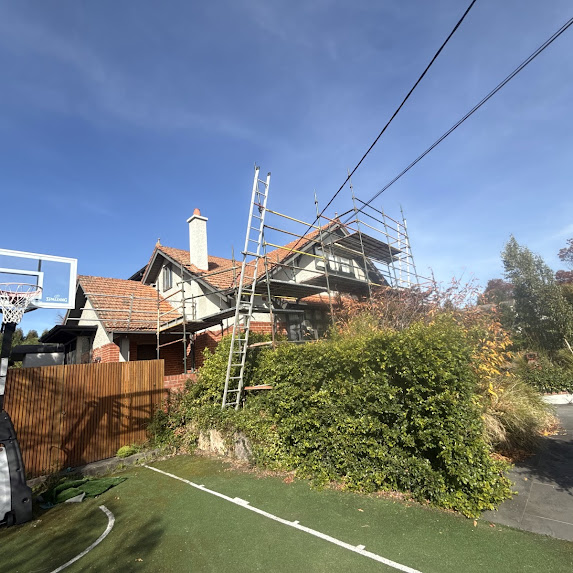
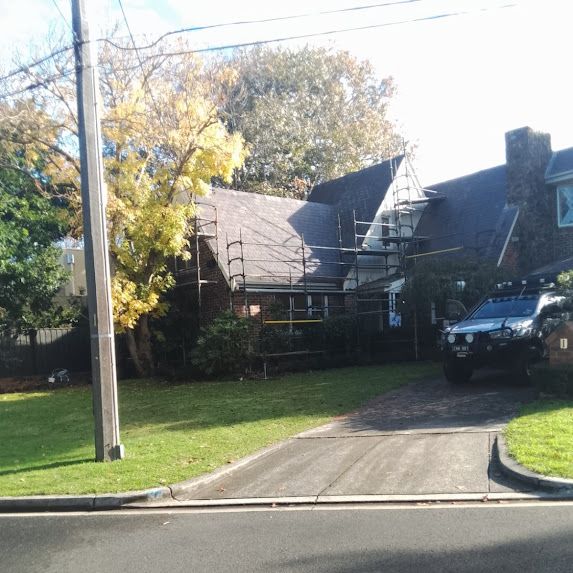
Knowing the exact year or era is especially important if you have a heritage home, and are planning major structural maintenance like roofing work. Understanding the build year tells you what original materials were likely used, the expected lifespan of your roofing structure, and what to anticipate when planning repairs or a complete restoration.
Start with the easiest online tools and sources
Before you dig into paperwork, you can check your address against state planning databases or look at any documentation you already have for the property:- VicPlan: To check your property's planning zones and overlays (which can dictate building rules and roofing material restrictions), you can search your address on VicPlan, the Victorian Government's interactive planning map.
- Section 32 (Vendor's Statement): In Victoria, this document is a goldmine. It often includes building permits, notices, and planning certificates that can indicate when the property was built or significantly modified.
- Property listing pages: If you bought recently, check how the home was marketed online. Real estate platforms often list a build year, though this is a fast first check rather than a guaranteed fact.
Check council, water, and land records online
If your own documents don’t show the answer, local and state authorities are the best next step.- Local Council: You can use the Know Your Council portal to find your local municipality's website. Councils hold extensive property records, and you can usually request property information or building permit searches online. This is also the best place to check local planning regulations that might dictate the types of roofing materials you can use for replacements.
- Water and Sewerage Records: Melbourne's retail water authorities hold highly accurate drainage diagrams detailing exactly when a property was connected to the mains. Depending on your suburb, you can request a property sewerage plan online from Greater Western Water, Yarra Valley Water, or South East Water.
- Land Title Records: Through Victoria's online land registry service, Landata, you can trace the title history. If the title history shows the land as vacant at one point and developed later, that gives you a tight construction window.
Use historical research databases
When official records are incomplete, free historical databases can fill in the gaps.- State Archives: The Public Record Office Victoria (PROV) and the State Library Victoria offer incredible online databases of old aerial photos, archived maps, and historical street directories (like the old Sands & McDougall directories, which listed residents year by year).
- Newspaper Archives: Trove, managed by the National Library of Australia, allows you to search historical Melbourne newspapers (like The Age or The Argus) online for property auction notices or land sales that match your exact address.
- Historical Societies: Reaching out to the Royal Historical Society of Victoria (RHSV) or your specific suburb's local history group can be incredibly helpful for pre-war homes.
What if there’s no exact year?
Sometimes you won’t find a single document that gives you the build year straight away. That’s common with older homes, properties that have been extensively renovated, or houses built before modern record-keeping systems were in place. In that case, your goal is to build the strongest possible estimate from multiple sources. A good approach is to combine at least three types of evidence: official records, historical imagery, and architectural clues. If those all point to the same period, you can usually be confident in the result.Quick Checklist: How to check your property’s age
- Search your address on VicPlan for zoning and overlays.
- Check your Section 32 for the build year.
- Look inside your electrical meter box for an installation date.
- Contact your local council for building permit histories.
- Request a property drainage diagram from your water authority.
- Search Landata for title history.
- Look for old maps and street directories via PROV or Trove.
Need Expert Advice for Your Roof?
Whether you've just discovered the true age of your home, need advice on matching original roofing materials, or are planning a complete roof restoration, the team at Metropolitan Roof Repairs are experts in heritage home roof repair and here to help. We specialise in all aspects of roofing work across Melbourne, from general repairs and maintenance to expert advice on older properties. Reach out to us today to ensure your roof is treated with the care and safety it deserves.Further Reading and Resources
- VicPlan: Victorian Government Planning Maps - Used for checking property zoning and overlays.
- Victorian Local Councils: Find Your Local Council - Used for identifying which of Melbourne's 31 councils holds the local building permits, planning approvals, and historical rates data for a specific address.
- Melbourne Water Authorities: Greater Western Water, Yarra Valley Water, South East Water - Used for tracing the initial sewerage and water connection dates, depending on the property's location in Melbourne.
- Landata Victoria: Title and Property Certificates - The official Victorian Government land registry for tracing title transfers and land subdivision history.
- Public Record Office Victoria (PROV): Historical Land and Property Records - The archive of the State Government of Victoria, used for deep historical land research.
- State Library Victoria: Maps, Aerial Photography, and Directories - Used for accessing historical street directories and early Melbourne aerial imagery.
- Trove: National Library of Australia Database - Used for searching digitized historical Melbourne newspapers for original land sales and real estate advertisements.
- Royal Historical Society of Victoria (RHSV): Historical Research and Archives - The peak body for local history in Victoria, useful for accessing broader historical records.
Need help with your roof?